Fall cleanup in Maryland matters more than spring cleanup. What you do in October and November sets up next spring's lawn, your drainage through winter rains, and the long-term health of every plant on the property.
Why fall cleanup matters more than spring
Fall cleanup prevents matted leaf damage to your lawn, gets perennials ready for winter dormancy correctly, clears drainage paths before heavy fall rain, and sets up next spring with a head start instead of a deficit.
The full checklist (15 items)
1) Final mow at 2.5–3 inches. 2) Leaf strategy (mulch-mow vs vacuum). 3) Fall winterizer fertilizer. 4) Perennial cutback (selective). 5) Tree pruning (deciduous only). 6) Hardscape cleaning and edging. 7) Gutters cleared. 8) Downspout extensions verified. 9) Swales cleared of debris. 10) Hose drained and stored. 11) Irrigation winterized. 12) Garden furniture stored. 13) Tools cleaned and oiled. 14) Planters drained or moved indoors. 15) Christmas-light prep on dry days.
Lawn: final mow height, leaf strategy, fertilizer timing
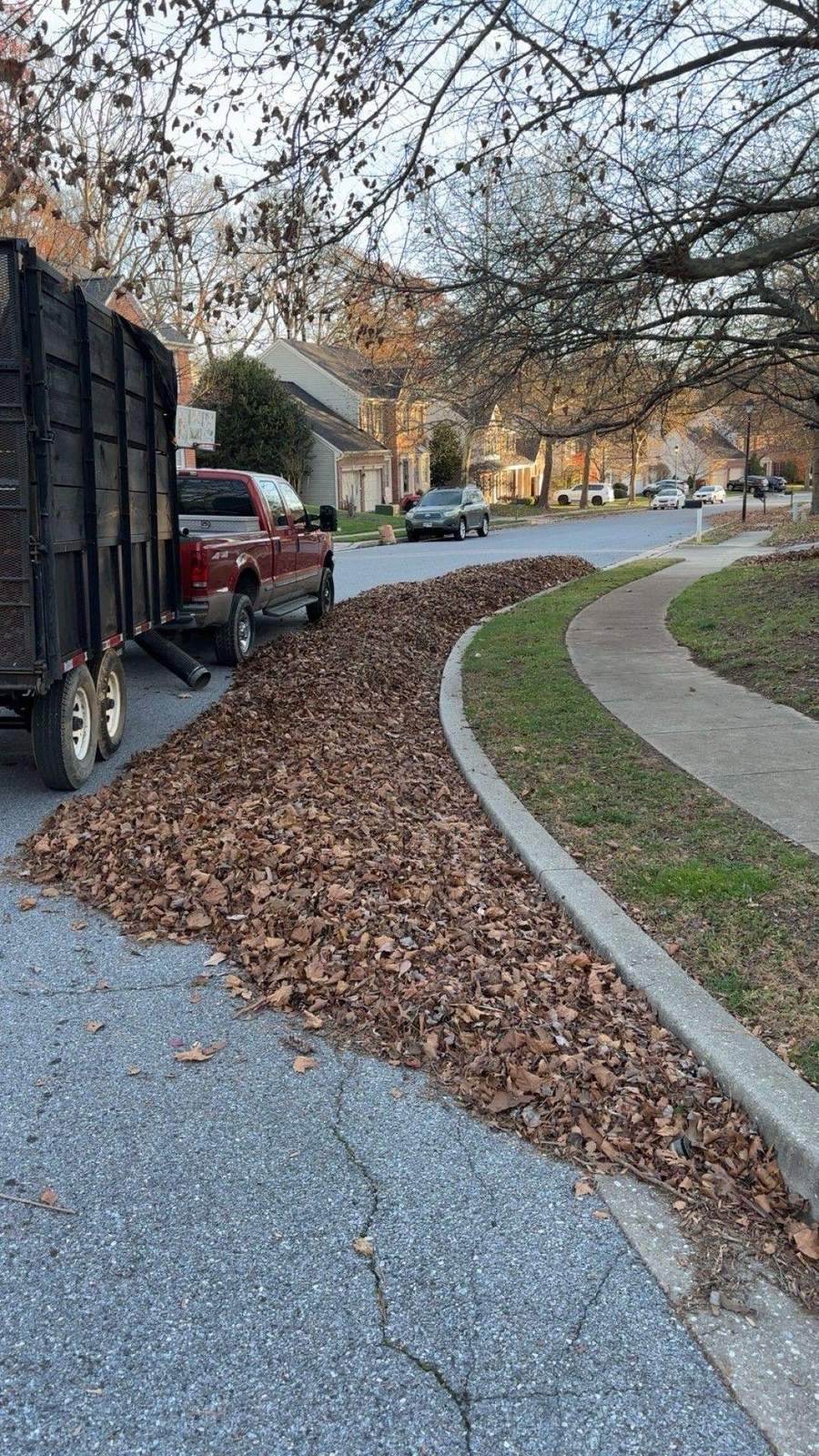
Final mow at 2.5–3 inches (not 1.5 — too short invites snow mold). Mulch-mow leaves into the lawn for the first 2 leaf drops. Vacuum-haul once cover exceeds 50%. Apply winterizer fertilizer in early to mid November. Our fall cleanup service covers all three.
Beds: perennial cutback (which to cut, which to leave)
Cut: hosta, daylily, peony, iris foliage after first frost. Leave: ornamental grasses, sedum, coneflower seed heads (winter interest + birds). Cutting back wrong removes cold-season interest and sometimes kills the plant.
Tree pruning: what is safe to do in fall, what to wait on
Safe in fall: deciduous shade trees after leaf drop, broken or hazardous limbs anytime. Wait until spring: spring-flowering shrubs (azalea, forsythia), oak (oak wilt risk), maple (sap bleed).
Hardscape: paver cleaning, snow prep, edging
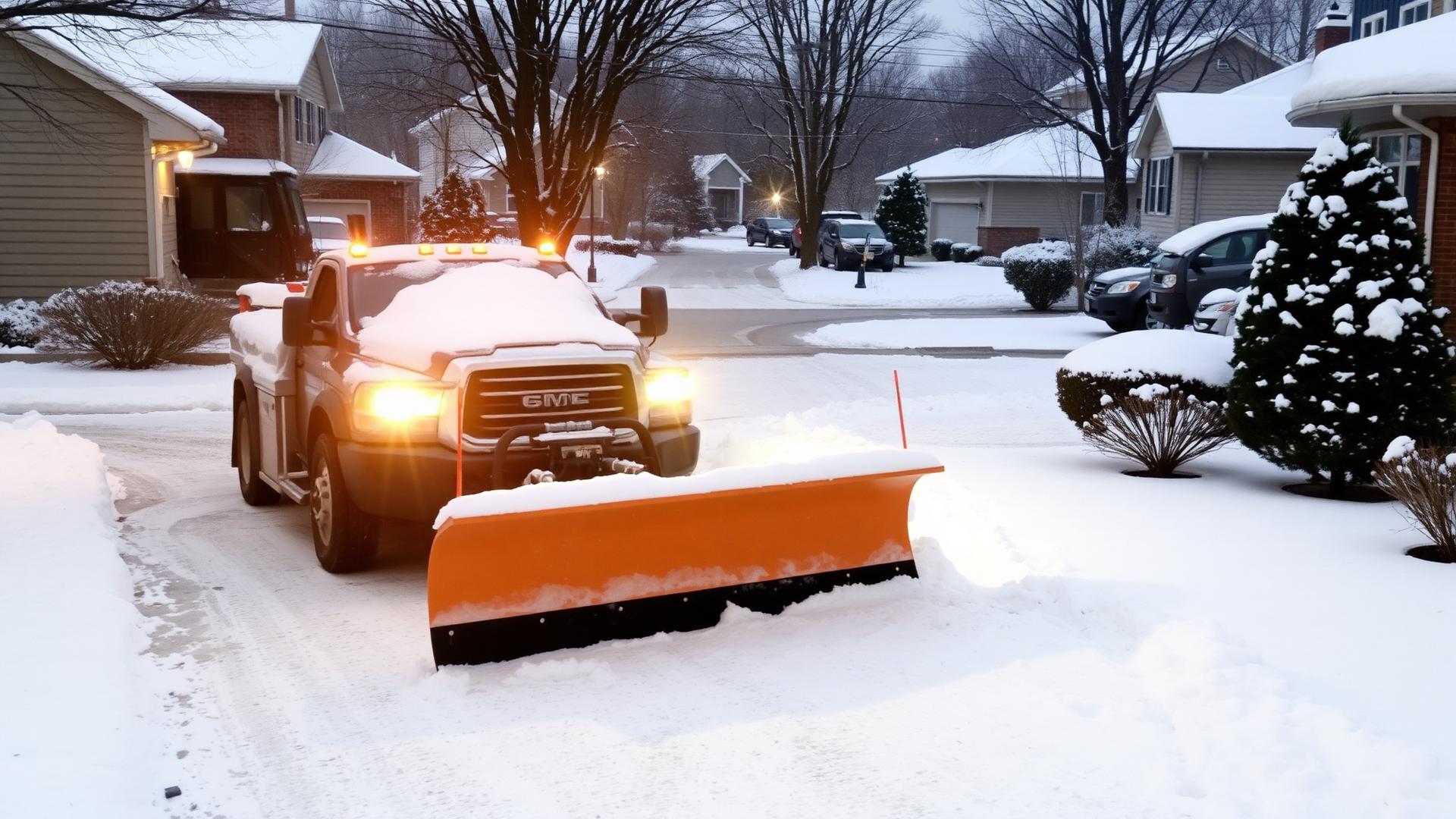
Power-wash paver patios at ground level only (no roofs, no second-story). Sand-sweep paver joints if eroded. Clean and edge bed lines. Stockpile salt-tolerant ice melt — calcium chloride breaks down concrete.
Drainage check: gutters, downspouts, swales before winter rains
Maryland gets some of the heaviest rainfall in November. Clear gutters, verify downspout extensions go 10+ feet from foundation, clear leaves and debris from swales. Skip this step and basement seepage finds you in February.
Equipment: garden hose drain-down, irrigation winterization
Drain hoses fully and store coiled in a dry spot. Have irrigation systems blown out by an irrigation contractor before the first hard freeze (typically by mid-November in Bel Air, MD).
Storage: garden furniture, tools, planters
Cover or store wood and wicker furniture. Empty terra cotta and ceramic planters (water expands when frozen and cracks them). Drain and store fountain pumps.
Christmas-light prep
Hang lights on a dry day in mid-November. Test before hanging. Use clips, not staples.
DIY vs hire-out decision points
DIY: leaf mulch-mow, tool storage, planter draining. Hire out: full leaf vacuum and haul, gutter cleaning, irrigation blowout, perennial cutback if you have many beds. Our leaf cleanup crew handles full property leaf removal in a single visit.
Timeline: October vs November vs December
October: bed cutback, irrigation, gutters, first leaf wave, final fertilizer. November: heavy leaf removal, hardscape cleaning, equipment storage, snow prep. December: final cleanup, Christmas lights, snow removal contract booking.
About the Author
Green Hive Crew is part of the Green Hive Landscaping team in Fallston, Maryland. We do this work every day across Bel Air and Harford County. If something here did not match your situation, call us — we will walk it with you.